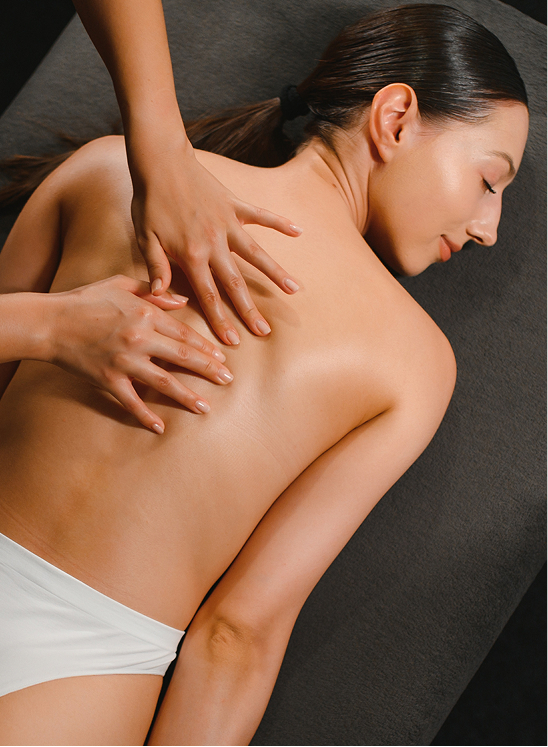
If you are searching for post surgical massage in Miami, you are probably trying to heal smoothly, control swelling, and feel comfortable sooner. After body contouring, your tissues need time, support, and gentle movement to settle. Massage can be part of that plan, but only when timing and technique are appropriate.
At Divine, we treat recovery as a design process. Comfort matters, and so does safety. The right approach can support mobility, reduce fluid retention, and help garments fit more comfortably. However, the wrong approach or the wrong timing can irritate tissue and slow healing. This guide is a practical way to plan, ask better questions, and avoid common mistakes.
Why massage is discussed after body contouring
After procedures like liposuction, tummy tuck, or BBL, your body responds with swelling. That swelling is normal, and it changes week by week. Some patients also experience firmness, sensitivity, and uneven texture while healing. Gentle techniques may help you feel less “puffy,” improve comfort, and support early mobility.
Still, massage is not a shortcut and it is not required for everyone. Your surgeon’s instructions come first. In addition, your body type, the extent of surgery, and how you heal matter more than any single add on.
When to start, and when to wait
Timing should be personalized. Most protocols begin only after your surgical team confirms that incisions are protected and early healing is stable. Starting too soon can increase tenderness, disrupt delicate tissue, and create more inflammation.
In many cases, the first phase is about gentle touch, not deep pressure. The goal is comfort and swelling support, not aggressive shaping. As weeks pass, technique may evolve based on what you feel and what your surgeon observes.
A simple rule helps: if a session leaves you more swollen, bruised, or hot for days, it is too much. Comfort should improve, not worsen.
How often should you go
Frequency depends on your procedure and your response. Some people do well with a short series early on and then taper. Others prefer fewer sessions spaced farther apart. More is not always better.
Instead, track three things:
- swelling patterns across the week
- comfort in garments and daily movement
- tenderness in specific zones
If you see steady progress, keep it simple. If you are not improving, do not add more sessions. Review your recovery plan first.
What it should feel like
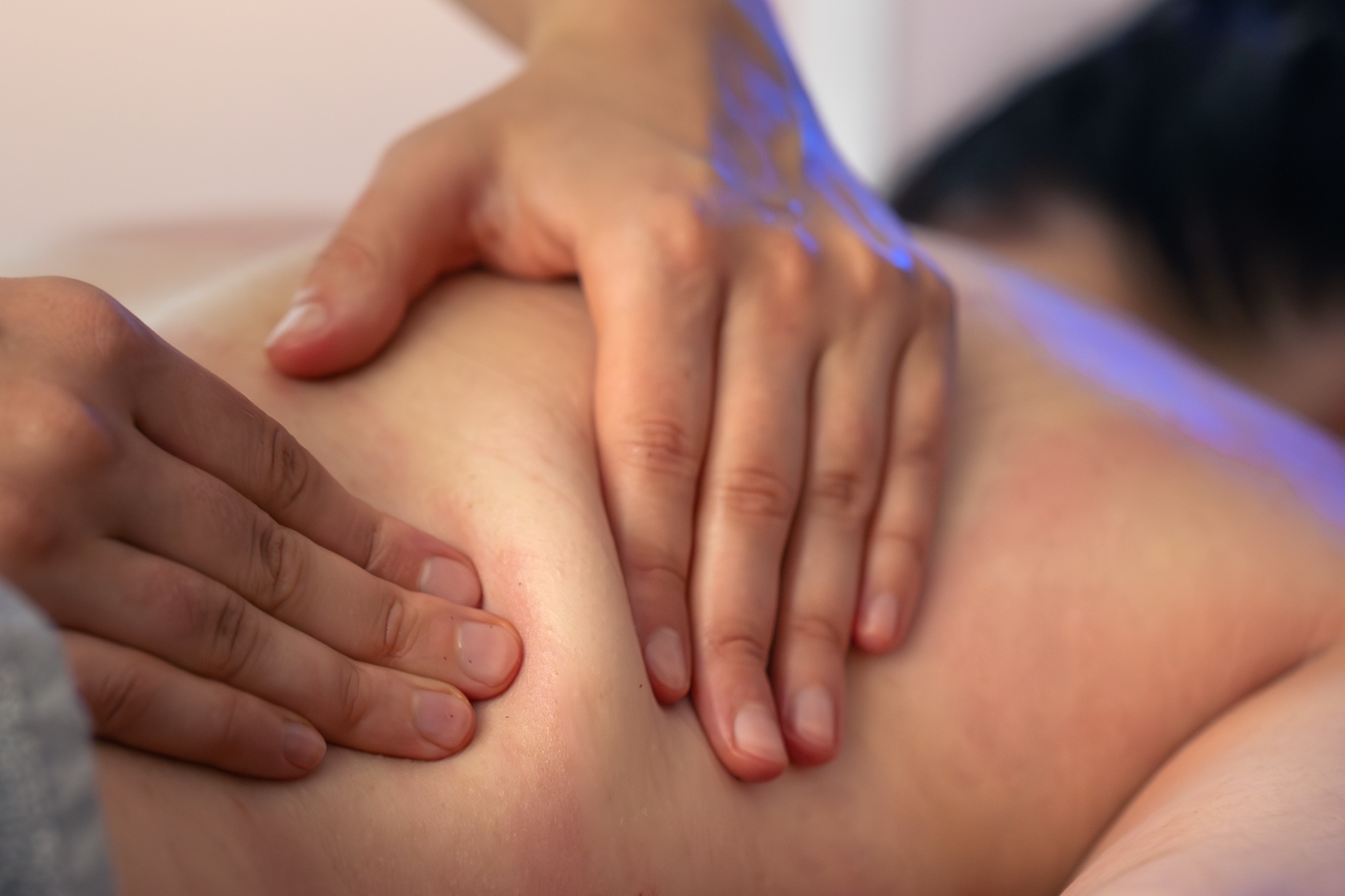
A good session feels supportive, not punishing. Mild tenderness is normal in early recovery, but sharp pain is not. Your therapist should avoid direct pressure on incisions and follow your surgeon’s restrictions. They should also explain what they are doing and why, without promising instant results.
If you feel dizzy, faint, overly sore, or notice new redness and warmth afterward, stop and contact your medical team.
Red flags and when to avoid massage
Avoid massage if you have fever, increasing redness, drainage concerns, sudden swelling on one side, severe pain, or shortness of breath. Also avoid any provider who pressures you to start early, pushes deep pressure immediately, or dismisses your surgeon’s guidance.
Massage should never replace medical follow up. It is supportive care, not a cure.
Cleveland Clinic: manual lymph drainage overview
What helps recovery even more than massage
A strong recovery plan includes consistent walking, hydration, garment compliance, and sleep positioning. Gentle movement supports circulation. Hydration supports tissue repair. Sleep and protein support healing quality.
In addition, planning your schedule matters. If you rush back to long days, heavy lifting, or stress, swelling lasts longer. Recovery works best when your calendar matches your body’s needs.
How Divine supports your recovery plan
Our team helps you map a realistic timeline and comfort strategy that fits your life. We explain what is normal week to week, what to watch for, and when to adjust. If massage is appropriate, we guide timing and expectations so you feel supported without overdoing it.
Get your consultation to plan your surgery and recovery with clarity.
Call 305-876-6652.