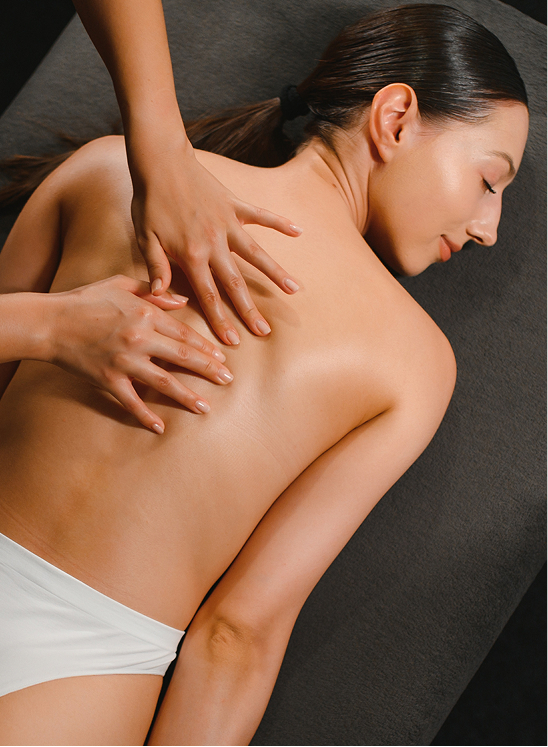
If you are searching for post surgical massage after liposuction in Miami, you are likely focused on one thing: a smoother recovery. After liposuction, swelling, firmness, and sensitivity are normal. The right recovery plan can make that process feel calmer and more predictable, while the wrong timing or too much pressure can prolong inflammation.
At Divine, we treat recovery as part of your result. Post surgical massage can support comfort and mobility when it is done at the right stage, but it should never feel aggressive or rushed. Below is a clear guide to timing, frequency, what a safe session feels like, and the red flags that should prompt a pause.
Looking for the general overview (not specific to liposuction)? See our complete recovery guide here: Post Surgical Massage in Miami: Timing, Swelling, and Safer Recovery.
Why massage is discussed after liposuction
Liposuction involves controlled trauma beneath the skin. Your body responds with swelling, fluid shifts, and tissue remodeling. In the early weeks, some patients also notice:
- firm areas that feel tight
- tenderness that changes day to day
- swelling that fluctuates by time of day
- garments that feel “too tight” in certain zones
Gentle, appropriate massage may support comfort and help you feel less “puffy” as swelling settles. It is not a shortcut. It does not replace compression, walking, hydration, or surgeon guidance.
When to start: the timing that matters
Start time depends on your incision healing, the extent of liposuction, and your surgeon’s protocol. The most important rule is this: do not start until your surgical team clears you.
Early sessions should be conservative. If a provider pushes deep pressure right away, that is a problem. A safe session should not leave you more swollen for days.
How often should you schedule it
Frequency depends on how your body responds. More sessions do not always mean faster recovery. Track trends instead:
- Is swelling decreasing overall week to week?
- Is tenderness improving?
- Are garments fitting more comfortably?
- Is your mobility improving?
If progress is steady, stay consistent and conservative. If progress is not steady, do not add sessions blindly. Review basics first: walking, hydration, compression, and sleep.
What a safe session should feel like
A good session feels supportive, not punishing.
- mild tenderness can be normal
- sharp pain is not normal
- heat, intense bruising, or lasting swelling after sessions is not a good sign
Your provider should avoid direct pressure over incisions and follow your restrictions.
Week by week guide (simple and practical)
Recovery phase | Main goal | What is usually appropriate | What to avoid |
Early phase | Comfort, gentle swelling support | Light technique, short sessions | Deep pressure, aggressive shaping |
Middle phase | Mobility and softening firmness | Gradual progression if tolerated | “Chasing” lumps with force |
Later phase | Consistency and refinement | Less frequent sessions if improving | Adding sessions without benefit |
Red flags: when to stop and contact your team
Stop and contact your medical team if you notice:
- fever or chills
- increasing redness or warmth
- drainage concerns
- sudden one sided swelling
- severe pain that worsens
- shortness of breath or chest symptoms
Massage is supportive care, not a medical substitute. Your surgeon’s follow ups protect your outcome.
What helps recovery even more than massage
The biggest drivers of a smooth recovery are:
- consistent walking
- hydration and protein
- compression when prescribed
- calm sleep positioning
- realistic scheduling during the first two weeks
Massage can support these foundations, but it cannot replace them.
Get your consultation and let us map a recovery plan that fits your surgery and your life.
FAQs
When can I start post surgical massage after liposuction?
Only when your surgeon clears you. Start time varies based on healing and scope.
How many sessions do I need?
There is no universal number. Track weekly improvement. More is not always better.
Should it hurt?
No. Mild tenderness can be normal, but sharp pain or lasting swelling is a red flag.
Can massage replace compression garments?
No. Compression, walking, and surgeon instructions are the foundation.
What if I feel worse after a session?
Pause. If swelling, bruising, or pain increases, contact your team and reassess timing and technique.